Company News
Why Chefs Should Choose Real Sea Salt Over Rock Salt and Table Salt
Salt is one of the most fundamental ingredients in any professional kitchen. Used in almost every style of cooking, it...

Company News
Salt is one of the most fundamental ingredients in any professional kitchen. Used in almost every style of cooking, it enhances flavour, balances sweetness, brings out natural aromas and helps create the perfect finish to a dish. But not all salt is the same.
While table salt and rock salt have their place in commercial kitchens, real sea salt offers chefs something different. From its natural mineral content and distinctive texture to the way it enhances ingredients, choosing the right salt can make a noticeable difference to the finished dish.
So, what makes real sea salt different, and why should chefs consider using it in their recipes?
Real sea salt is produced by evaporating seawater, leaving behind salt crystals that can retain small amounts of naturally occurring minerals. Depending on where it is harvested and how it is processed, sea salt can vary in colour, texture and crystal size.
Unlike many standard table salts, which are heavily refined to produce a consistent, fine texture, less-refined sea salt undergoes minimal processing.
For chefs who value ingredient quality and provenance, this can be an appealing alternative. It offers a more natural style of seasoning, particularly when finishing dishes where the salt itself plays a noticeable role.
One of the biggest advantages of real sea salt is its variety of textures.
Table salt is typically fine and uniform, making it easy to measure and dissolve. Rock salt tends to have larger crystals and is often used in salt grinders or for specialist applications. Sea salt, however, is available in a range of crystal sizes, from delicate flakes to coarser grains.
This gives chefs greater control over how salt is used in different recipes.
Fine sea salt works well in sauces, soups, marinades and baking, where an even distribution is important. Flaked sea salt is particularly useful as a finishing ingredient, adding a light crunch and bursts of seasoning to dishes such as grilled meats, roasted vegetables, fresh fish and salads.
It is not just about adding saltiness; the texture can become part of the overall eating experience.
Salt is not simply there to make food taste salty. Its main role in cooking is to enhance and balance the flavours already present in ingredients.
Used correctly, salt can reduce the perception of bitterness, balance sweetness and help bring out the natural flavours of meat, fish, vegetables and sauces.
Real sea salt is particularly useful for chefs who want to finish dishes with a little extra attention to detail. A scattering of sea salt flakes over a freshly cooked steak, for example, can provide small bursts of seasoning alongside the natural flavour of the meat.
Similarly, a pinch over roasted tomatoes, grilled vegetables or fresh bread can help bring out their natural character.
Although all three varieties are primarily made up of sodium chloride, there are some important differences in how they are produced and used.
Sea salt: Made by evaporating seawater, sea salt is available in a variety of textures and crystal sizes. Less-refined varieties can retain trace minerals and are particularly popular for finishing dishes.
Rock salt: Mined from underground salt deposits formed by ancient seas. It is generally coarser and is commonly used in salt grinders, specialist cooking applications and food preservation. It is also used in some commercial kitchens for ice cream making and other processes.
Table salt: Highly refined to create small, uniform crystals. It often contains anti-caking agents to prevent clumping and may have iodine added. Its consistent texture makes it convenient for everyday cooking, baking and precise seasoning.
There is no single salt that is right for every application. However, understanding the differences allows chefs to choose the most appropriate option for the dish they are preparing.
For chefs working in restaurants, hotels and hospitality venues, presentation is just as important as flavour.
Finishing salt can be a simple but effective way to add the final touch to a dish. Sea salt flakes provide visual interest and a delicate crunch, making them particularly suitable for dishes where ingredients are presented simply.
Think freshly baked focaccia finished with sea salt, a perfectly cooked steak with a scattering of flakes, or roasted seasonal vegetables brought together with quality olive oil and a little sea salt.
These small details can help elevate straightforward dishes without adding unnecessary complexity or cost.
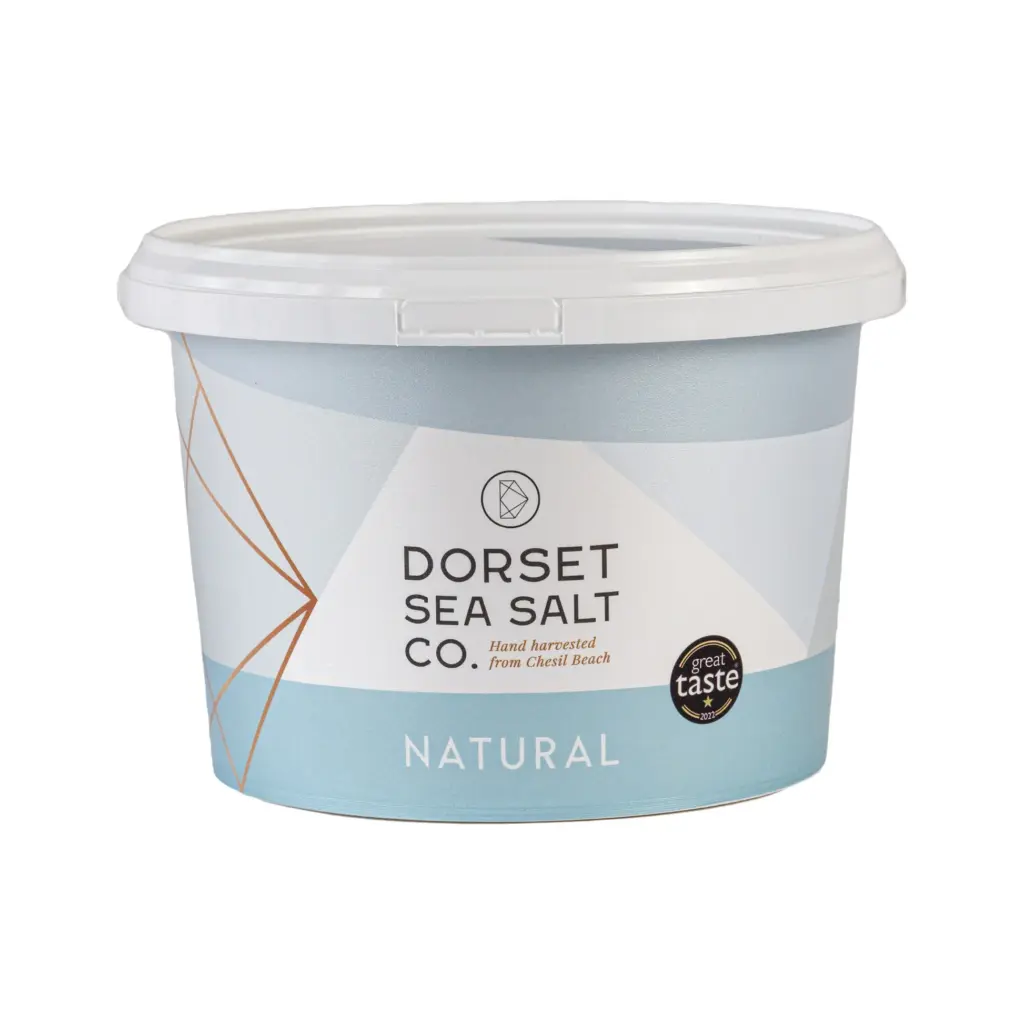
Whether you’re seasoning a sauce, preparing ingredients for cooking or adding the finishing touch to a restaurant-quality dish, having the right salt makes a difference.
At Trevors Foodservice, we stock a variety of salts to suit different cooking styles and kitchen requirements, including Dorset Sea Salt, coarse sea salt and everyday table salt.
From the distinctive character of sea salt to the practicality of table salt for everyday cooking, our range gives professional chefs the flexibility to choose the right product for every application.
As an independent foodservice wholesaler supplying restaurants, hotels, cafes and other hospitality businesses across the North West, we’re here to help professional kitchens source the essential ingredients they need.
Explore the salt range available from Trevors Foodservice and find the right seasoning for your kitchen.
For chefs, choosing ingredients is about more than just the basics. Quality, consistency, flavour and versatility all play a part in creating dishes that customers enjoy.
Real sea salt offers a versatile seasoning option, particularly for chefs who want greater control over texture and presentation. While table salt remains useful for everyday cooking and rock salt has its own specialist applications, sea salt deserves a place in any well-stocked professional kitchen.
From seasoning during preparation to adding the finishing touch before a dish leaves the pass, the right salt can make all the difference.
At Trevors Foodservice, we stock a variety of salts, including Dorset Sea Salt, coarse sea salt and table salt, alongside thousands of other ingredients and essential products for professional kitchens across the North West.