
Guides
What essential kitchen supplies should I buy from a wholesaler for a hospitality business?
Running a hospitality business means keeping your kitchen stocked with everything your team needs to prepare great food, serve customers...

Guides
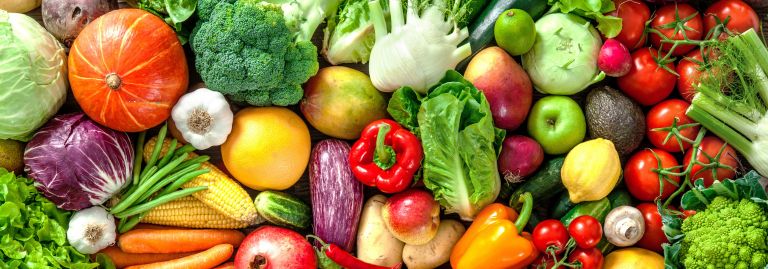
Knowing how to store vegetables properly can make a big difference to their freshness, flavour, texture and shelf life. But not every vegetable belongs in the fridge, and some are best stored in water, while others should be kept somewhere cool, dark and dry.
Whether you’re a chef managing fresh produce in a busy kitchen, a caterer looking to reduce food waste, or simply trying to make your vegetables last longer, understanding the best way to store different vegetables can help you get more from every delivery.
In this guide, we explain how to store vegetables, including which vegetables should be refrigerated, which should be kept at room temperature, what can be prepared in advance and how to prevent common storage mistakes.
There isn’t one storage method that works for every vegetable.
Some vegetables, such as carrots, broccoli and leafy greens, generally benefit from refrigeration. Others, including potatoes, onions, garlic and winter squash, are better kept somewhere cool, dry and dark.
A useful rule is to consider where the vegetable naturally grows and what conditions will help it retain its quality after harvesting.
Here’s a quick guide:
| Vegetable | Best place to store | Preparation before storage |
| Potatoes | Cool, dark, dry place | Don’t wash until needed |
| Onions | Cool, dry, well-ventilated place | Keep dry |
| Garlic | Cool, dry place | Keep whole until needed |
| Carrots | Fridge | Remove leafy tops |
| Broccoli | Fridge | Keep whole until needed |
| Cauliflower | Fridge | Keep whole until needed |
| Cabbage | Fridge | Keep whole |
| Lettuce | Fridge | Keep dry |
| Spinach | Fridge | Remove damaged leaves |
| Celery | Fridge | Keep wrapped or in a container |
| Asparagus | Fridge, ideally upright in water | Trim ends |
| Spring onions | Fridge | Can be stored with roots intact |
| Fresh herbs | Fridge or water, depending on herb | Remove damaged leaves |
| Tomatoes | Room temperature | Keep out of direct sunlight |
| Peppers | Fridge | Keep whole |
| Cucumbers | Cool storage | Keep dry and away from very cold areas |
| Sweet potatoes | Cool, dark, dry place | Don’t refrigerate |
| Butternut squash | Cool, dry place | Keep whole |
| Mushrooms | Fridge | Don’t wash until needed |
Potatoes should be stored somewhere cool, dark and dry, rather than in the fridge.
Light can cause potatoes to develop green patches, while damp conditions can encourage spoilage. Store them somewhere with good ventilation and avoid keeping them in sealed plastic bags.
It’s also best to avoid washing potatoes before storing them. Any additional moisture can shorten their storage life. Wash or brush them shortly before preparation instead.
For professional kitchens, keeping potatoes in their original packaging or a suitable ventilated container can help maintain airflow and reduce moisture build-up.
Yes, potatoes can be peeled and cut in advance for some preparations, but they should not simply be left exposed to air.
If you’re preparing potatoes ahead of service, keep prepared potatoes submerged in cold water and refrigerated, then drain thoroughly before cooking.
Carrots are best stored in the fridge.
If carrots have their green tops attached, remove them before storage. The leaves draw moisture from the carrot and can cause the roots to lose their crispness more quickly.
Keep carrots in a vegetable drawer or suitable container or bag that prevents excessive moisture loss while allowing some ventilation.
Yes. Peeled or prepared carrots can be stored in the refrigerator. If you’ve cut them into sticks or batons, keeping them in a sealed container can help prevent them from drying out.
For catering and foodservice kitchens, prepping carrots ahead of time can be a useful way to reduce preparation time during busy service periods.
Broccoli should be stored in the fridge and is generally best kept whole until you’re ready to use it.
Avoid washing broccoli before storing unless you’re going to use it shortly afterwards. Excess moisture can encourage deterioration.
If you have already cut broccoli into florets, store the prepared pieces in a clean, covered container in the refrigerator.
For the best quality, use broccoli while the florets remain firm and brightly coloured.
Like broccoli, cauliflower is best kept refrigerated.
Keep the head whole for as long as possible and avoid washing it until you’re ready to prepare it. Once cut, store florets in a clean, covered container in the fridge.
Keeping cauliflower whole also helps protect it from drying out and absorbing odours from other foods in the refrigerator.
Whole cabbages are relatively hardy vegetables and can last considerably longer than more delicate leafy greens when stored correctly.
Keep cabbage in the fridge, ideally whole and unwashed until required.
Once you’ve cut into a cabbage, wrap or cover the remaining portion and refrigerate it.
If you’re preparing cabbage in advance for a large service, consider only shredding or slicing what you expect to use. Keeping the remainder whole can help maintain quality for longer.
Leafy vegetables are particularly sensitive to moisture.
Lettuce, spinach and similar leaves should generally be kept refrigerated, but the key is to avoid excess water.
If you’ve washed leafy vegetables, dry them thoroughly before storage. A salad spinner can be particularly useful in professional kitchens.
Place leaves in a clean container lined with paper towel or another suitable moisture-absorbing material. The aim is to prevent leaves sitting in excess water.
You can wash lettuce before storing it, but it needs to be thoroughly dried afterwards.
For many kitchens, washing and preparing salad leaves close to service can provide better quality than preparing them several days in advance.
Celery should be stored in the fridge.
Keeping celery properly wrapped or in a suitable container helps prevent it from losing moisture and becoming limp.
If celery has already been cut, store the pieces in a clean, covered container.
Yes. One method for keeping celery crisp is to store cut celery pieces submerged in cold water in the refrigerator.
This can be particularly useful when celery has been prepared into sticks for salads, buffets or snack platters.
Asparagus is one of the vegetables that benefits from being stored in water.
Trim a small amount from the bottom of the stems and stand the asparagus upright in a container with a small amount of cold water, similar to storing flowers.
Keep it refrigerated and cover the tops loosely if appropriate..
Spring onions should generally be refrigerated.
If they still have their roots attached, keeping the roots intact can help maintain their quality.
For prepared spring onions, store them in a clean, covered container in the refrigerator.
Some people also store spring onions upright in a small amount of water in the fridge, particularly when trying to keep the roots hydrated.
One of the most common vegetable storage mistakes is putting tomatoes straight into the fridge.
Tomatoes are generally best kept at room temperature, away from direct sunlight.
Refrigeration can negatively affect their texture and flavour. If tomatoes are already very ripe and you need to slow further deterioration, refrigeration may extend their usable life, but allow them to return towards room temperature before serving where possible.
Fresh peppers can be stored in the fridge.
Keep them whole until you’re ready to use them. Once cut, place them in a clean, covered container and refrigerate.
Avoid washing peppers before long-term storage, as excess moisture can contribute to deterioration.
Cucumbers are a little different from many other vegetables.
They generally prefer cool storage rather than very cold conditions. If storing them in the fridge, avoid the coldest areas and make sure they stay dry
Sweet potatoes should generally not be stored in the fridge.
Instead, keep them somewhere cool, dark and dry with good ventilation.
As with potatoes, avoid washing sweet potatoes before storage. Wash them when you’re ready to prepare them.
Onions should generally be kept somewhere cool, dry and well ventilated, rather than in the fridge.
Keep them away from damp environments and avoid storing them in sealed plastic bags.
Once an onion has been cut, the unused portion should be refrigerated in a suitable covered container.
Whole garlic bulbs are best stored somewhere cool, dry and well ventilated.
Avoid storing whole garlic in damp conditions.
Once cloves have been peeled or garlic has been chopped, refrigerate the prepared garlic in a suitable container and follow your food safety procedures.
Mushrooms are best stored in the fridge.
Avoid washing mushrooms until you’re ready to use them because they can absorb water.
Instead, remove any visible dirt shortly before preparation using an appropriate method for the mushroom variety.
Mushrooms are generally better kept in packaging that allows some airflow rather than sealed in a completely airtight container.
Different herbs benefit from different storage methods.
Soft herbs
Coriander, parsley and mint can often benefit from being treated similarly to flowers. Trim the stems and place them in a small amount of water, then refrigerate where appropriate and loosely cover the leaves.
Woody herbs
Rosemary, thyme and sage generally store well refrigerated, wrapped appropriately to prevent excessive moisture loss.
The important thing is to avoid allowing herbs to become either completely dried out or excessively wet.
Preparing vegetables ahead of time can save valuable time during service, but not every vegetable responds equally well to advance preparation.
Good candidates for advance preparation include:
The key is to keep prepared vegetables refrigerated, covered and protected from contamination, while following appropriate food safety procedures.
As a general rule, vegetables that will be stored for several days often keep better when they’re washed shortly before use rather than immediately after purchase.
This is particularly relevant to vegetables where surface moisture can encourage deterioration.
Examples include:
There are exceptions, particularly when vegetables have been supplied specifically for immediate preparation or when your kitchen’s food safety procedures require otherwise.
Getting the most from fresh vegetables starts with buying good-quality produce, but how you store, prepare and rotate it afterwards can make just as much difference.
At Trevors Foodservice, we supply fresh produce alongside our wider range of frozen, chilled and ambient products to foodservice customers across the North West.
From restaurants and pubs to hotels, schools, care homes, cafés and leisure venues, we understand that reliable quality, consistent availability and sensible stock management matter in a professional kitchen.
Whether you’re looking for everyday vegetables or seasonal produce, our team can help you find products suited to your menu, operation and requirements.
Looking for a foodservice supplier in the North West? Get in touch with Trevors Foodservice to discuss your requirements.