
The new Deposit Return Scheme (DRS) is coming to the UK on 1 October 2027, and it will change the way certain drinks are sold, purchased and recycled.
But how does the new DRS scheme actually work? Which drinks will be affected? Will businesses have to charge customers a deposit? And what does it mean for foodservice operators, schools, restaurants and other hospitality businesses?
We’ve put together this straightforward guide to explain everything you need to know about the Deposit Return Scheme and how it could affect your business.
The Deposit Return Scheme is a new recycling initiative designed to encourage people to return empty drinks containers rather than throwing them away.
Under the scheme, a refundable deposit will be added to the price of certain drinks sold in single-use plastic bottles and metal cans.
When someone buys an eligible drink, they pay the deposit alongside the normal purchase price. Once they’ve finished the drink, they can return the empty container to an approved return point and get their deposit back.
The aim is to increase recycling, reduce litter and make sure more valuable materials are collected and recycled into new products.
The scheme launches on 1 October 2027. The confirmed deposit is 20p per eligible container.
The easiest way to understand DRS is to think of it as a refundable charge that follows an eligible drinks container through the supply chain.
Here’s how it works:
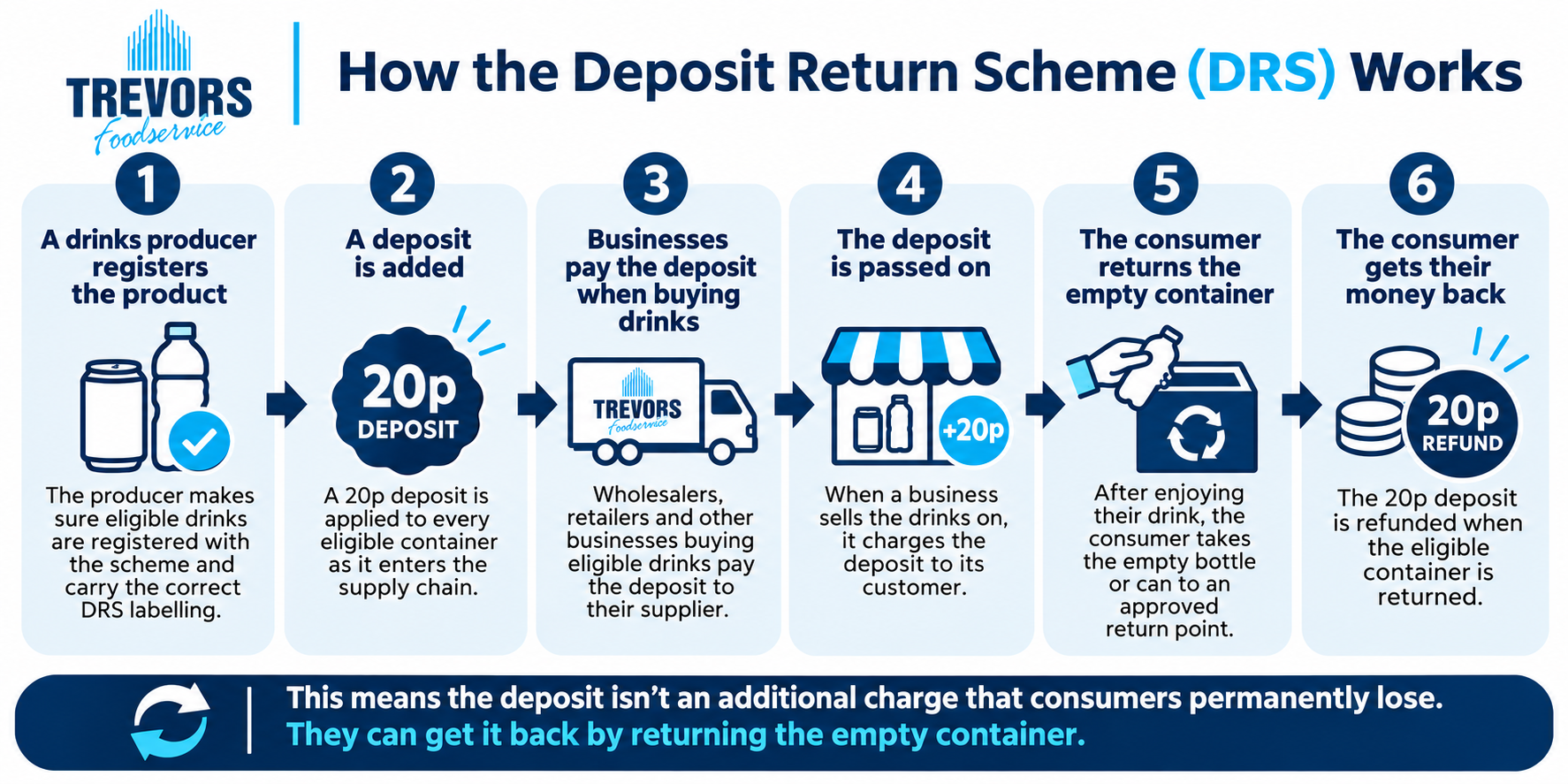
The confirmed deposit is 20p per eligible drinks container.
For example:
The deposit is refundable when the empty containers are returned through the scheme.
For businesses purchasing drinks in larger quantities, it is worth considering how these additional deposits will affect purchasing budgets, invoices and cash flow.
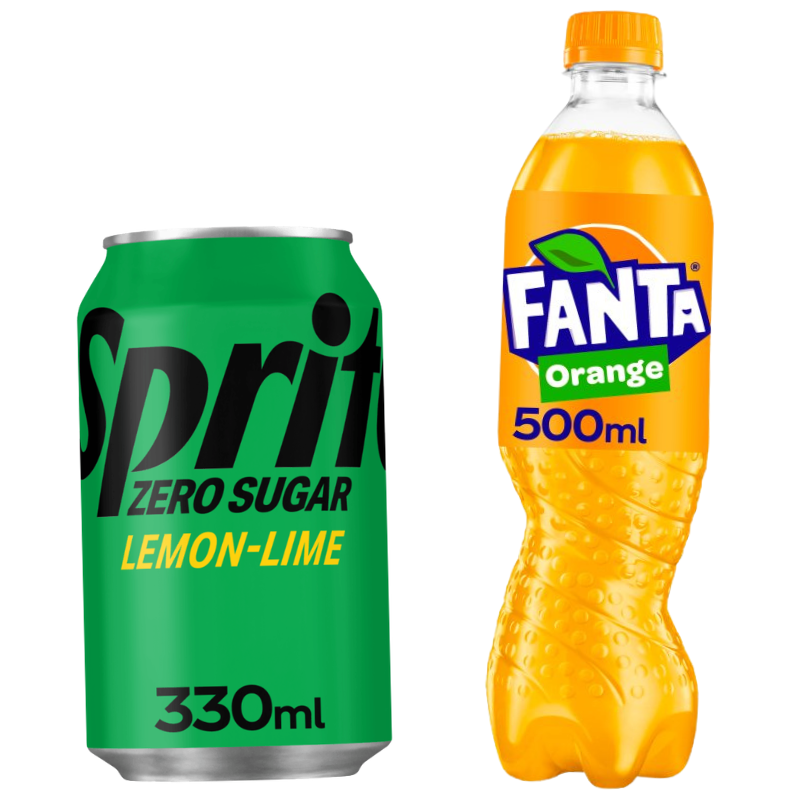
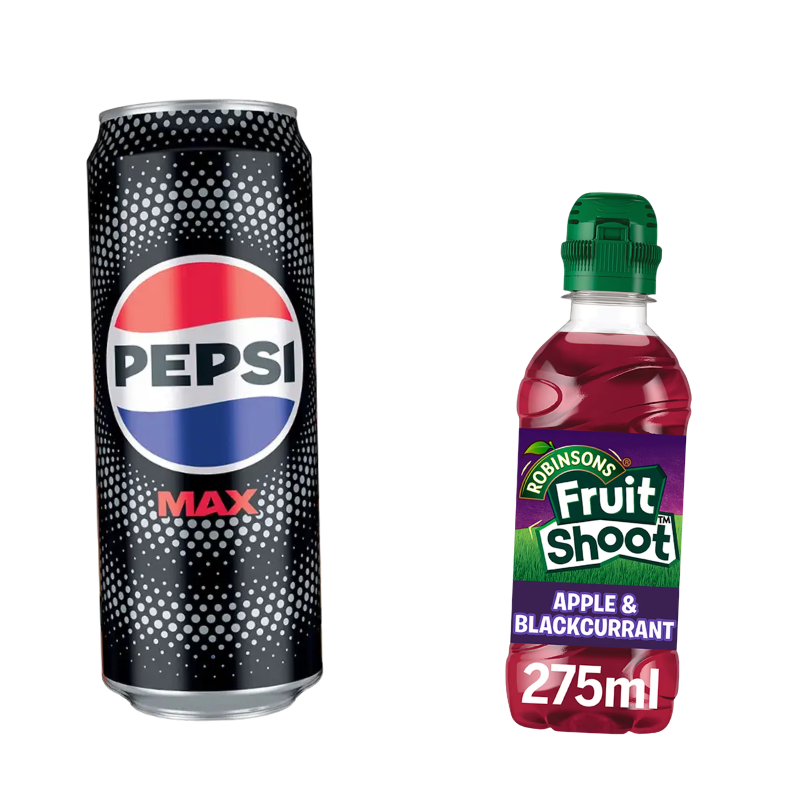
Not every drinks container will be affected by DRS. The scheme applies to certain single-use drinks containers made from specific materials and within a particular size range.
This distinction is particularly important for businesses purchasing bottled water, soft drinks, juices and other packaged beverages. Two similar drinks could be treated differently depending on the packaging material.
The Deposit Return Scheme will affect schools, colleges and other education settings that purchase or sell eligible drinks, with a 20p deposit added to each qualifying bottle or can. Education providers may need to review their drinks ranges, consider alternative packaging such as Tetra Pak cartons, which are not included in the scheme, and look at introducing more water refill stations to encourage students to use reusable bottles.
Learn More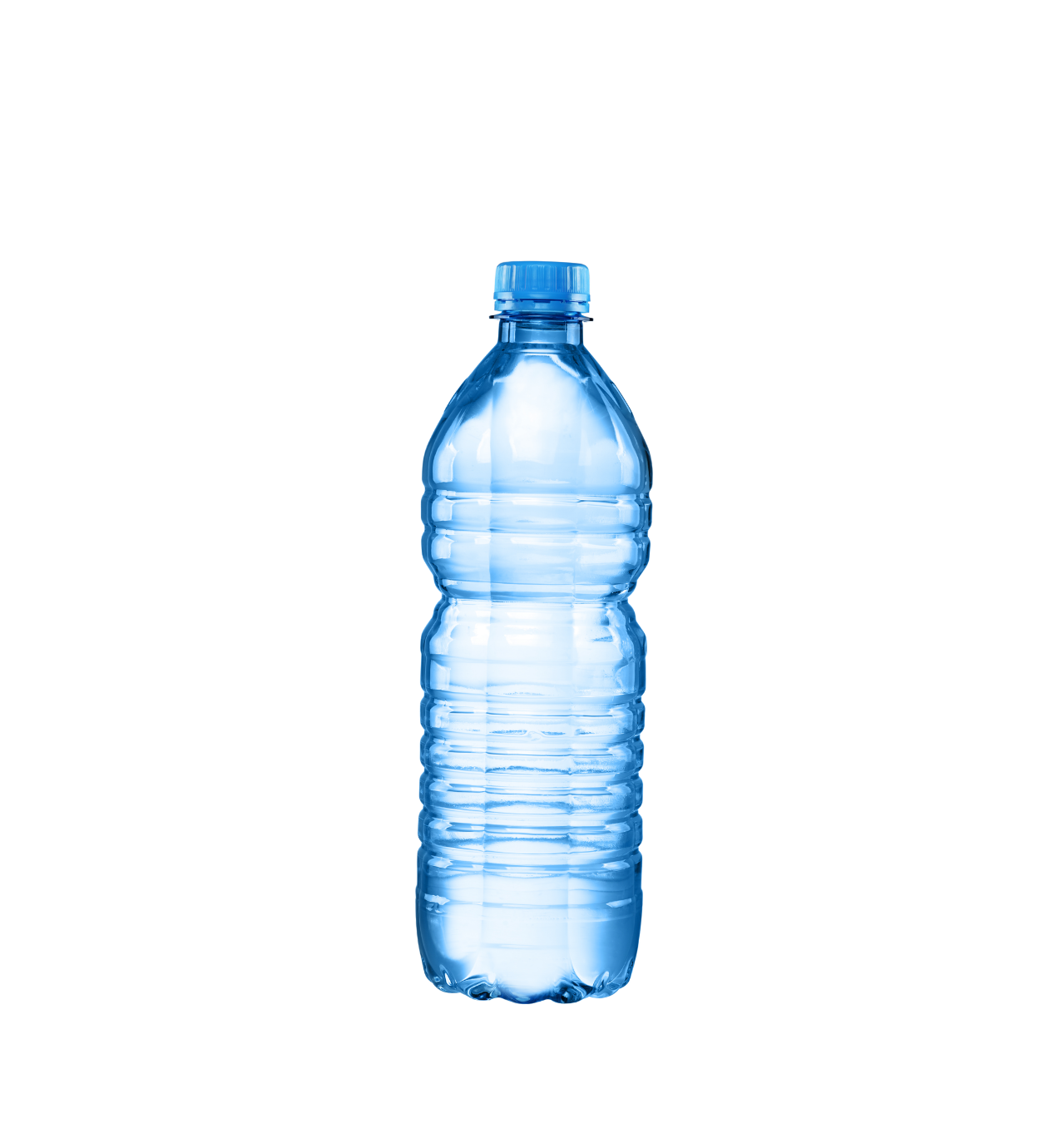
The Deposit Return Scheme will introduce some changes to the way businesses purchase, sell and manage drinks packaging.
Understanding which products are affected and what options are available is a good place to start.
At Trevors Foodservice, we’re committed to keeping our customers up to date with changes that affect the foodservice industry.
Get in touch with our team if you’d like to discuss how the new DRS scheme could affect your business.